
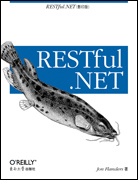
RESTful.NET(影印版)
出版时间:2009年05月
页数:287
《RESTful.NET》是第一本为欲使用最新的微软工具建立RESTful Web服务的Windows开发人员而准备的书。本书作者Jon Flanders是WCF(Windows Communication Foundation)专家。这本简单实用的教程示范了如何使用WCF和.NET 3.5 Framework的其他组成部分,来建立、部署并使用多种应用场景中基于REST的Web服务。
RESTful体系结构提供了比SOAP、SOA或繁琐的WS-*堆栈更为简单的方式以建立Web服务。WCF已经被证实为无须依托WS-*标准即可建立分布式处理系统的灵活技术。《RESTful .NET》为消耗机器和人力建立Web服务提供了一个WCF REST编程模型的完全指导。你将学习到如何:
编写Read-Only(GET)服务
编写READ/WRITE服务
主机REST服务
编写REST feeds
编写AJAX REST客户端
安全REST终端
使用工作流传递REST服务
利用WCF消耗RESTful XML服务
结合HTTP运作
结合ADO.NET数据服务(之前称为Astoria)运作
《RESTful.NET》是一本非常棒的介绍REST和RESTful结构的书籍。如果你使用.NET开发,那么是时候转向RESTful了——这本书将会讲解方法。
“REST是简易的,WCF却不是这样。要切实理解并利用这部分的WCF,需要一个有丰富知识和实战经验的指导者。我想不出比Jon Flanders更适合担任这个角色的人??Jon在解释复杂的概念方面功夫一流。在创建和使用WCF的这些服务上,这本书是我见过的最好的介绍。”
——David Chappell,Chappell & Associates公司
Jon Flanders是Pluralsight公司的技术人员。这是一家专门为使用微软技术的开发者提供培训的公司。Jon专门从事WCF、WF和BizTalk的研究,是Addison-Wesley出版的《ASP Internals》一书的作者,也是《Mastering Visual Studio.NET》(O'Reilly)一书的合著者。
RESTful体系结构提供了比SOAP、SOA或繁琐的WS-*堆栈更为简单的方式以建立Web服务。WCF已经被证实为无须依托WS-*标准即可建立分布式处理系统的灵活技术。《RESTful .NET》为消耗机器和人力建立Web服务提供了一个WCF REST编程模型的完全指导。你将学习到如何:
编写Read-Only(GET)服务
编写READ/WRITE服务
主机REST服务
编写REST feeds
编写AJAX REST客户端
安全REST终端
使用工作流传递REST服务
利用WCF消耗RESTful XML服务
结合HTTP运作
结合ADO.NET数据服务(之前称为Astoria)运作
《RESTful.NET》是一本非常棒的介绍REST和RESTful结构的书籍。如果你使用.NET开发,那么是时候转向RESTful了——这本书将会讲解方法。
“REST是简易的,WCF却不是这样。要切实理解并利用这部分的WCF,需要一个有丰富知识和实战经验的指导者。我想不出比Jon Flanders更适合担任这个角色的人??Jon在解释复杂的概念方面功夫一流。在创建和使用WCF的这些服务上,这本书是我见过的最好的介绍。”
——David Chappell,Chappell & Associates公司
Jon Flanders是Pluralsight公司的技术人员。这是一家专门为使用微软技术的开发者提供培训的公司。Jon专门从事WCF、WF和BizTalk的研究,是Addison-Wesley出版的《ASP Internals》一书的作者,也是《Mastering Visual Studio.NET》(O'Reilly)一书的合著者。
- Foreword
- Preface
- 1. REST Basics
- Architecture of the World Wide Web
- SOAP
- REST
- Resources and URIs
- Uniform Interface
- Resource Representations
- Implementing a Simple RESTful Service Example
- Resources
- URIs and Uniform Interface
- Representations
- Interaction
- Wrap-Up
- Processes
- Summary
- 2. WCF RESTful Programming Model
- Isn’t WCF All About SOAP?
- Channels and Dispatching
- HTTP Programming with WCF 3.0
- Web Programming in WCF 3.5
- WebHttpBinding
- WebHttpBehavior
- WebServiceHost
- WebOperationContext
- WebGetAttribute
- UriTemplate
- UriTemplate Literal Values
- UriTemplate Special Values
- UriTemplate QueryString
- Summary
- 3. Programming Read-Only Services
- Using WebGetAttribute and UriTemplate
- Data Formats
- Message
- DataContract
- XmlSerializer
- Hybrid Approach
- Summary
- 4. Programming Read/Write Services
- POST, PUT, and DELETE
- Using WebInvokeAttribute
- Resources
- URIs and Uniform Interface
- Representations
- Implementation
- Summary
- 5. Hosting WCF RESTful Services
- WCF REST Hosting Isn’t a Special Case
- Self-Hosting
- Configuring, Opening, and Closing a ServiceHost
- Base Addresses
- ServiceHost Versus WebServiceHost
- Custom ServiceHost
- Hosting in IIS
- ASP.NET Compatibility
- Multiple Hostnames
- Removing the .svc File Extension
- Custom ServiceHostFactory
- Hosting Wrap-Up
- Summary
- 6. Programming Feeds
- Building a Feed with WCF
- SyndicationItem
- Formatters
- Exposing a Feed on a Live URI
- Feed Validation
- Adding Links to a Feed
- Summary
- 7. Programming Ajax and Silverlight Clients
- WCF Web Services and Ajax
- JSON
- JSON-Enabling a Service Endpoint
- ASP.NET Ajax
- Silverlight 1.0
- Silverlight 2.0
- Parsing XML in Silverlight 2.0
- Parsing JSON in Silverlight 2.0
- Consuming Feeds in Silverlight 2.0
- Cross-Domain Security in Silverlight 2.0
- Returning JSON and XML Conditionally with a Single Method 154
- Summary
- 8. Securing REST Endpoints
- Authenticating: Self-Hosted Endpoints
- Setting Endpoint Security: WebHttpBinding.Security’s Mode Property
- Setting Authentication Requirements: WebHttpBinding’s Transport
- Property
- Authenticating: Managed Hosting Endpoints
- Authorizing Endpoints
- Authorization with Impersonation
- Role-Based Authorization
- Summary
- 9. Using Workflow to Deliver REST Services
- Consuming REST Services from WF
- The SendActivity Instance
- The ReceiveActivity Instance
- Stateless Workflow Services
- Stateful Workflow Services
- Summary
- 10. Consuming RESTful XML Services Using WCF
- Defining the Client
- Generating the Contract
- Creating the Resource Representations
- Creating the ServiceContract
- Using the Service
- Client Extensibility
- Summary
- 11. Working with HTTP
- Programming HTTP with WCF
- IncomingWebRequestContext
- OutgoingWebResponseContext
- OutgoingWebRequestContext
- IncomingWebResponseContext
- Context Wrap-Up
- Status Codes
- 201 — Created
- 404 — Not Found
- Conditional GET
- LastModified
- ETags
- Caching
- Output Caching
- HttpContext.Cache
- Content-Type
- Summary
- A. WCF 3.5 SP1
- B. ADO.NET Data Services
- C. ADO.NET Entity Framework Walkthrough
- Index
书名:RESTful.NET(影印版)
作者:Jon Flanders 著
国内出版社:东南大学出版社
出版时间:2009年05月
页数:287
书号:978-7-5641-1650-7
原版书出版商:O'Reilly Media
The animal on the cover of RESTful .NET is an electric catfish (Siluriformes malapteruridae).
Located mainly in tropical Africa and the Nile River, the generally nocturnal
catfish can produce an electric shock of up to 350 volts, which it uses to stun or kill its
enemies (the shock is not fatal to humans).
Often seen in large display tanks at aquariums, the electric catfish has thick lips and a
cylinder-shaped, pinkish-brown body with several dark spots. The fish’s electric
organ—used to generate shocks—extends the length of its body, and, when lit, helps
the fish see through its murky surroundings.
In the normal course of its waking hours, the fish acts aggressively against other fish
and even against others of its own kind. Each successive shock its electric organ produces,
however, weakens the fish, which then must rest in order to “recharge” its electricity,
thus rendering it temporarily vulnerable to predators. The fish is also vulnerable
for another reason: its body has no scales or bony plates, making the fish relatively
defenseless against hot aquarium tanks or sharp rocks.
Located mainly in tropical Africa and the Nile River, the generally nocturnal
catfish can produce an electric shock of up to 350 volts, which it uses to stun or kill its
enemies (the shock is not fatal to humans).
Often seen in large display tanks at aquariums, the electric catfish has thick lips and a
cylinder-shaped, pinkish-brown body with several dark spots. The fish’s electric
organ—used to generate shocks—extends the length of its body, and, when lit, helps
the fish see through its murky surroundings.
In the normal course of its waking hours, the fish acts aggressively against other fish
and even against others of its own kind. Each successive shock its electric organ produces,
however, weakens the fish, which then must rest in order to “recharge” its electricity,
thus rendering it temporarily vulnerable to predators. The fish is also vulnerable
for another reason: its body has no scales or bony plates, making the fish relatively
defenseless against hot aquarium tanks or sharp rocks.
购买选项
|
© 2026,奥莱利技术咨询(北京)有限公司。版权所有。 传真: +86-10-88097463 京ICP备05003502号 |
|