
算法技术手册
杨晨, 李明 译
出版时间:2010年03月
页数:333
开发健壮的软件需要高效的算法,然而程序员们往往直至问题发生之时,才会去求助于算法。本书讲解了许多现有的算法,可用于解决各种问题。通过阅读它,你可以学会如何选择和实现正确的算法,来达成自己的目标。另外,书中的数学深浅适中,足够使你了解并分析算法的性能。
较之理论而言,本书更专注于应用。本书提供了高效的代码解决方案,使用多种语言进行编写,让你可以轻松地将其应用于特定的工程当中。通过本书,你可以:
· 解决特定代码的问题,或者提升现有解决方案的性能。
· 快速找到与你所解决的问题相关的算法,并决定哪种算法才是最适合的。
· 探索使用C、C++、Java以及Ruby实现的算法解决方案以及开发小贴士。
· 了解算法预期的性能,以及它达到最高性能时所需要的条件。
· 发现不同算法之间相似的设计哲学。
· 学习高级数据结构,来提升算法的性能。
通过本书,你能学到如何提升算法的性能,这将是你的软件应用程序走向成功的关键。
“作者完成了一项了不起的工作,将晦涩的学术加以精炼,完美地在理论和实践之间取得了平衡,从而使本书成为了一本不可或缺的指南。从此,彻底领悟算法就变得十分简单了。”
——Matthew Russell,Digital Reasoning Systems
高级技术总监,《Dojo权威指南》(O’Reilly)的作者
George T. Heineman、Gary Pollice和Stanley Selkow均为伍斯特理工学院计算机科学系的教授。George是《Component-Based Software Engineering: Putting the Pieces Together》(Addison-Wesley)的联合主编。Gary是《Head First Object- Oriented Analysis and Desgin》(O’Reilly)的合著者。
较之理论而言,本书更专注于应用。本书提供了高效的代码解决方案,使用多种语言进行编写,让你可以轻松地将其应用于特定的工程当中。通过本书,你可以:
· 解决特定代码的问题,或者提升现有解决方案的性能。
· 快速找到与你所解决的问题相关的算法,并决定哪种算法才是最适合的。
· 探索使用C、C++、Java以及Ruby实现的算法解决方案以及开发小贴士。
· 了解算法预期的性能,以及它达到最高性能时所需要的条件。
· 发现不同算法之间相似的设计哲学。
· 学习高级数据结构,来提升算法的性能。
通过本书,你能学到如何提升算法的性能,这将是你的软件应用程序走向成功的关键。
“作者完成了一项了不起的工作,将晦涩的学术加以精炼,完美地在理论和实践之间取得了平衡,从而使本书成为了一本不可或缺的指南。从此,彻底领悟算法就变得十分简单了。”
——Matthew Russell,Digital Reasoning Systems
高级技术总监,《Dojo权威指南》(O’Reilly)的作者
George T. Heineman、Gary Pollice和Stanley Selkow均为伍斯特理工学院计算机科学系的教授。George是《Component-Based Software Engineering: Putting the Pieces Together》(Addison-Wesley)的联合主编。Gary是《Head First Object- Oriented Analysis and Desgin》(O’Reilly)的合著者。
- 前言
- 第一部分
- 第1章 算法真的很重要
- 理解问题
- 如果需要,尽可能用实践检验
- 解决问题的算法
- 花絮
- 故事的寓意
- 参考文献
- 第2章 算法的数学原理
- 问题样本的规模
- 函数的增长率
- 最好最坏和平均情况下的性能分析
- 性能指标
- 混合操作
- 基准测试
- 最后一点
- 参考文献
- 第3章 模式和领域
- 模式:一种交流语言
- 算法模式的格式
- 伪代码模式的格式
- 设计格式
- 基于经验的评价格式
- 领域和算法
- 浮点计算
- 手动内存分配
- 选择一门编程语言
- 参考文献
- 第二部分
- 第4章 排序算法
- 概述
- 插入排序
- 中值排序
- 快速排序
- 选择排序
- 堆排序
- 计数排序
- 选择排序算法的标准
- 参考文献
- 第5章 查找
- 概述
- 顺序查找
- 二分查找
- 基于散列的查找
- 二叉查找树
- 参考文献
- 第6章 图算法
- 概述
- 深度优先搜索
- 广度优先搜索
- 单源最短路径
- 所有点对最短路径
- 最小生成树算法
- 参考文献
- 第7章 人工智能中的寻路
- 概述
- 深度优先搜索
- 广度优先搜索
- A*搜索
- 比较
- Minimax
- NegMax
- AlphaBeta
- 参考文献
- 第8章 网络流算法
- 概述
- 最大流
- 二部图匹配
- 在增广路上的深入思考
- 最小开销流
- 转运问题
- 运输问题
- 任务分配问题
- 线性编程
- 参考文献
- 第9章 计算几何
- 概述
- 凸包扫描
- 线段扫描
- 最近点查询
- 范围查询
- 参考文献
- 第三部分
- 第10章 最后的招数
- 另类算法
- 近似算法
- 离线算法
- 并行算法
- 随机算法
- 结果可能出错却可以衰减错误率的算法
- 参考文献
- 第11章 尾声
- 概述
- 原则:了解数据
- 原则:将问题分解至更小的问题
- 原则:选择正确的数据结构
- 原则:空间换时间
- 原则:如果没有显而易见的解法,使用搜索
- 原则:如果没有显而易见的解法,将问题归约为另一个有解的问题
- 原则:编写算法难,测试算法更难
- 第四部分
- 附录 基准测试
书名:算法技术手册
译者:杨晨, 李明 译
国内出版社:机械工业出版社
出版时间:2010年03月
页数:333
书号:978-7-111-28674-5
原版书出版商:O'Reilly Media
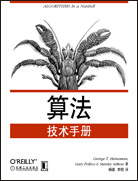
本书封面的动物是一只寄居蟹(Pagurus bernhardus)。在世界各地有超过500种寄居蟹。它们大多为水生,生活在珊瑚礁和潮池的盐水中。一些寄居蟹,尤其是在热带地区的,是陆生的。例如一种名为盗蟹的寄居蟹,它能够长到椰子那么大。陆生寄居蟹在它们的壳里面存放着少量的水,用来帮助呼吸以及保持腹部湿润。
寄居蟹和其他螃蟹不一样,它们不需要一个坚硬的属于自己的外壳,它们寻找食肉动物不能食用的腹足动物(例如蜗牛)的外壳作为庇护所。它们特别偏好玉黍螺和海螺的壳。随着身体的长大,它们需要寻找更大的壳寄居。如果他们将身体的任何部分暴露出来,那么会非常容易受到食肉动物的攻击;此外,如果没有一个合适的外壳,就会阻碍它们的成长,因为昆虫腹足动物的壳是有限的,所以竞争也是一个问题。
寄居蟹是十足(也就是说十只脚)甲壳动物。在它们的五对足中,第一对是钳子,或者是螯,较大的那个是它们用来防御和撕碎食物用的,而较小的是用来辅助进食的。第二对和第三对足帮助它们走路,最后两对足用于将它们固定在壳中。
寄居蟹具有明显的甲壳动物的特征:它们没有内骨架,而是有一个钙质的外骨骼。它们也有两只复眼,两对触角(它们用来感知味道和振动)并拥有三对口器。在触角的底部是一对触角腺,用来排出废物。
可以经常看见海葵附在寄居蟹的壳上。海葵以这种方式移动并食用寄居蟹的食物残渣,不过作为交换,海葵能够伪装寄居蟹以逃过海洋食肉动物的捕食,例如鱼和章鱼。其他的食肉动物也包括:鸟和其他的螃蟹,以及一些哺乳动物(例如人)。
寄居蟹号称“海洋的垃圾收集器”,它能够吃掉几乎所有的东西,例如海岸上腐烂的物质,因此它们在海岸清洁中扮演着一个非常重要的角色。作为杂食动物,它们的食物是极其多样化的,从虫子到有机废品(例如草和叶子)无所不有。
封面的图片来自于Johnson的《Library of Natural History》卷2。
寄居蟹和其他螃蟹不一样,它们不需要一个坚硬的属于自己的外壳,它们寻找食肉动物不能食用的腹足动物(例如蜗牛)的外壳作为庇护所。它们特别偏好玉黍螺和海螺的壳。随着身体的长大,它们需要寻找更大的壳寄居。如果他们将身体的任何部分暴露出来,那么会非常容易受到食肉动物的攻击;此外,如果没有一个合适的外壳,就会阻碍它们的成长,因为昆虫腹足动物的壳是有限的,所以竞争也是一个问题。
寄居蟹是十足(也就是说十只脚)甲壳动物。在它们的五对足中,第一对是钳子,或者是螯,较大的那个是它们用来防御和撕碎食物用的,而较小的是用来辅助进食的。第二对和第三对足帮助它们走路,最后两对足用于将它们固定在壳中。
寄居蟹具有明显的甲壳动物的特征:它们没有内骨架,而是有一个钙质的外骨骼。它们也有两只复眼,两对触角(它们用来感知味道和振动)并拥有三对口器。在触角的底部是一对触角腺,用来排出废物。
可以经常看见海葵附在寄居蟹的壳上。海葵以这种方式移动并食用寄居蟹的食物残渣,不过作为交换,海葵能够伪装寄居蟹以逃过海洋食肉动物的捕食,例如鱼和章鱼。其他的食肉动物也包括:鸟和其他的螃蟹,以及一些哺乳动物(例如人)。
寄居蟹号称“海洋的垃圾收集器”,它能够吃掉几乎所有的东西,例如海岸上腐烂的物质,因此它们在海岸清洁中扮演着一个非常重要的角色。作为杂食动物,它们的食物是极其多样化的,从虫子到有机废品(例如草和叶子)无所不有。
封面的图片来自于Johnson的《Library of Natural History》卷2。
购买选项
|
© 2025,奥莱利技术咨询(北京)有限公司。版权所有。 传真: +86-10-88097463 京ICP备05003502号 |
|